Brain
Your brain controls how you think, move, feel, speak, and remember.
Neurosurgeons may treat tumors, bleeding, pressure, and other conditions affecting the brain.
Explore Brain CareBrain · Spine · Nerves
Understand what may be causing your symptoms, what part of the nervous system is involved, and what treatment options may be discussed.

What a neurosurgeon treats
Neurosurgeons care for conditions involving the brain, spinal cord, spine, and nerves throughout the body.
Your brain controls how you think, move, feel, speak, and remember.
Neurosurgeons may treat tumors, bleeding, pressure, and other conditions affecting the brain.
Explore Brain CareYour spine supports your body and protects the spinal cord.
Problems in the neck or back can sometimes cause pain, numbness, weakness, or trouble moving.
Explore Spine CareYour nerves carry messages between your brain, spinal cord, and the rest of your body.
Pressure or injury to a nerve may cause pain, tingling, numbness, or weakness.
Explore Nerve CareThe brain and spinal cord make up the central nervous system. Peripheral nerves are the nerves outside them.
Interactive body
Choose an area of the body to learn what it does and the types of problems a neurosurgeon may evaluate.
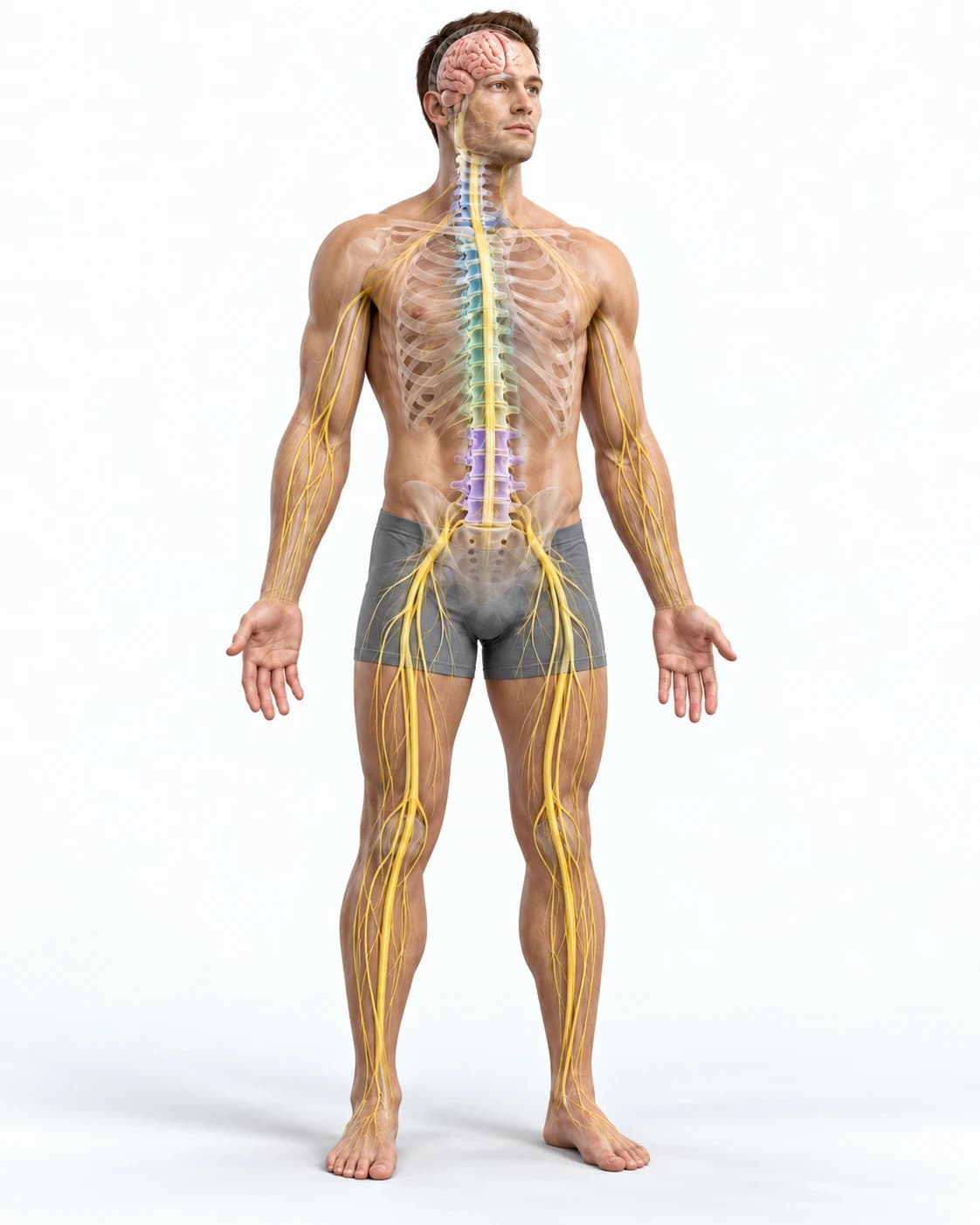
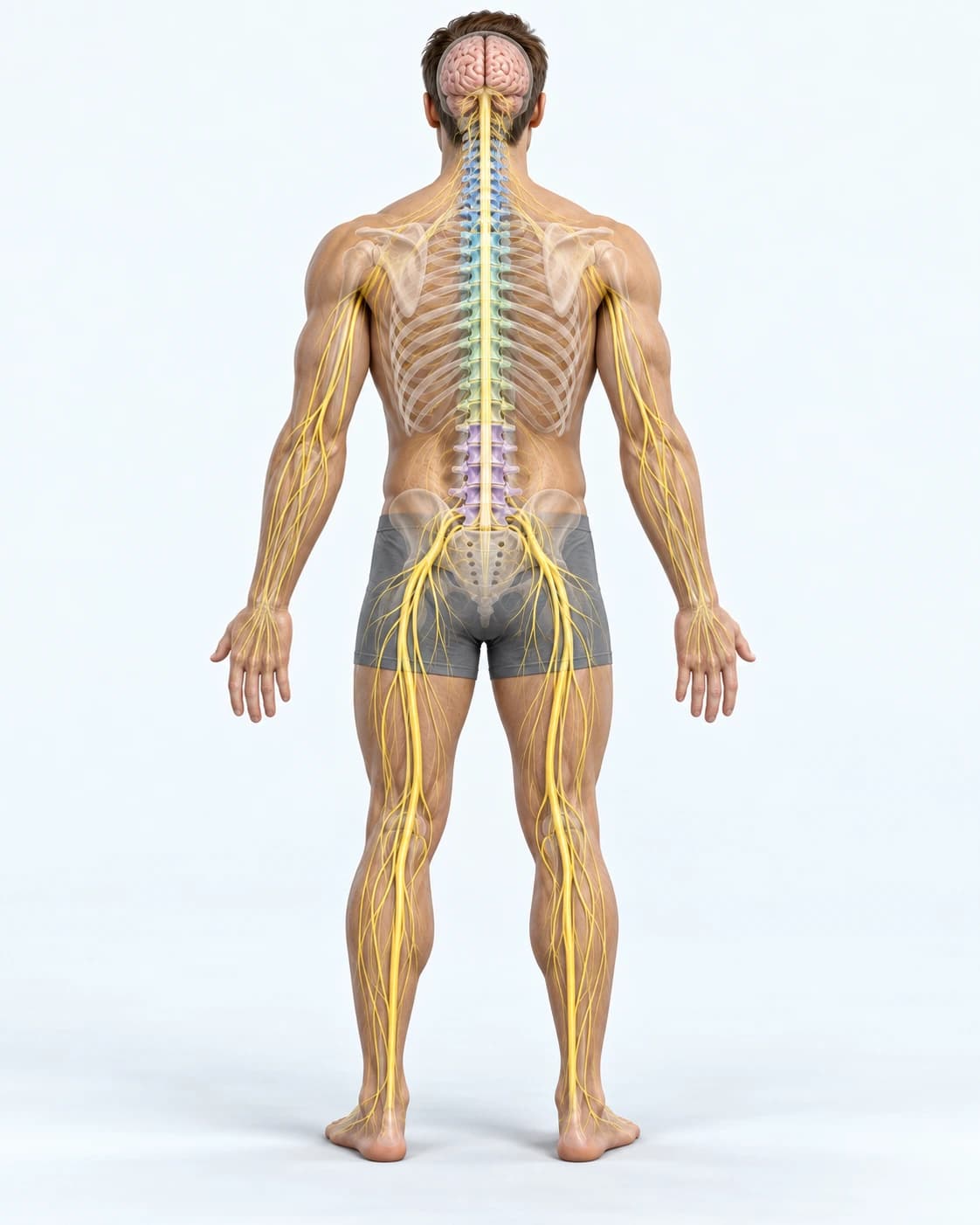
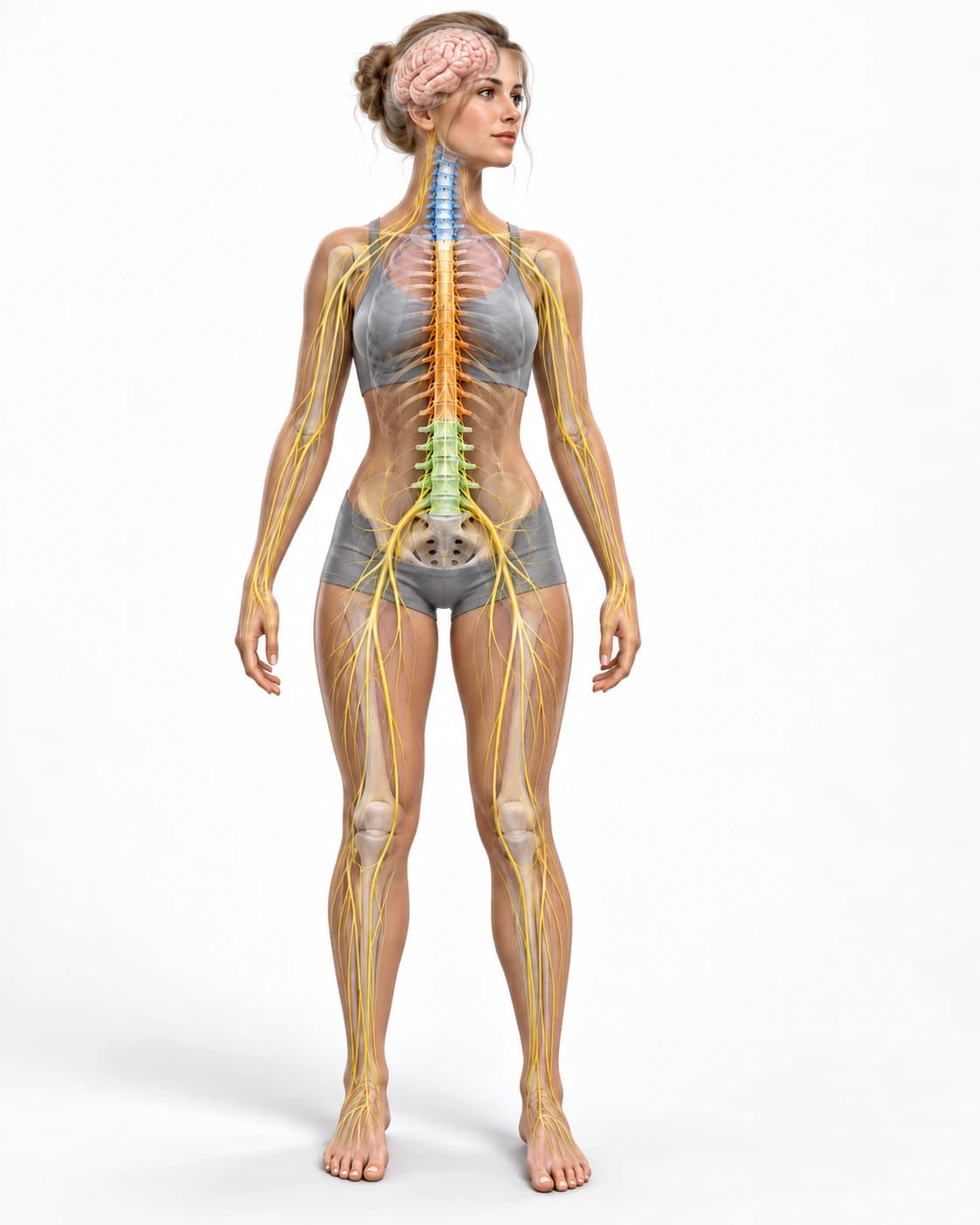
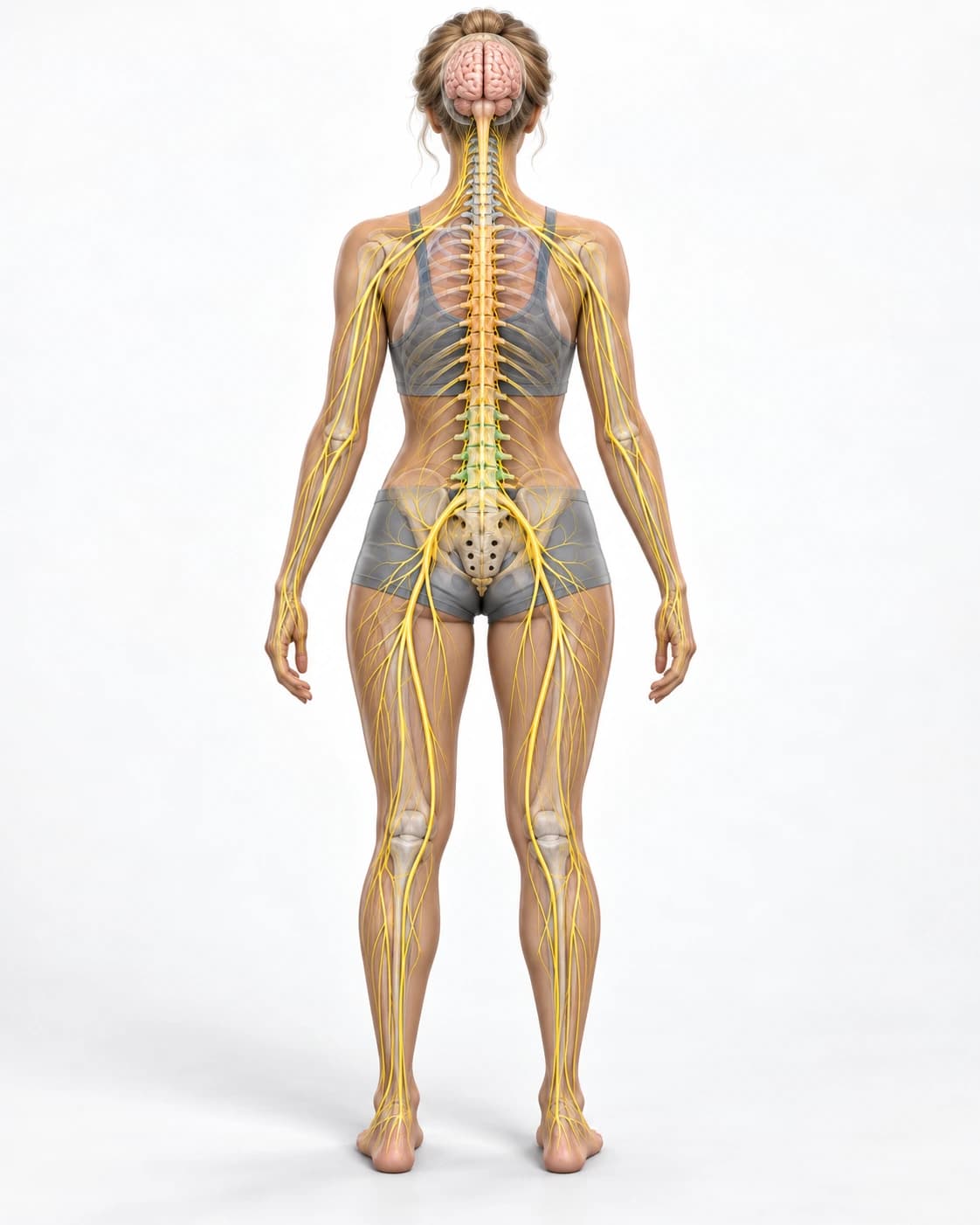
Select a body area to learn more.
Controls thinking, movement, speech, memory, and many other body functions.
Problems here may cause headaches, seizures, or changes in speech, vision, or movement.
Depending on the problem, surgery may remove a tumor, stop or drain bleeding, relieve pressure, or place a shunt to drain extra fluid. Some brain conditions are watched over time or treated without surgery.
More about proceduresCervical spine
The cervical spine supports your head and protects the upper spinal cord.
Problems here may affect the neck, shoulders, arms, or hands.
Surgery may remove a damaged disc or bone spur to take pressure off a nerve or the spinal cord, sometimes joining bones to keep the neck stable. Therapy, medicine, or injections may be tried first, depending on the problem.
More about proceduresThoracic spine
The thoracic spine protects the spinal cord through the middle of your back.
Pressure on the spinal cord here can affect the legs, balance, or walking.
Surgery may relieve pressure on the spinal cord or stabilize the spine after an injury, tumor, or other damage. Some problems here are treated with a brace or watched over time instead.
More about proceduresLumbar spine
The lumbar spine supports much of your body weight.
Problems here can affect the lower back, legs, or feet.
Surgery may remove part of a herniated disc, widen a narrow spinal canal, or join bones to stabilize the spine. Many disc problems improve over time without surgery.
More about proceduresThese nerves run outside the brain and spinal cord, reaching your arms, legs, and the rest of your body.
Pressure or injury can sometimes lead to tingling, pain, numbness, or weakness.
Surgery may release a pinched nerve, as in carpal tunnel release, or repair an injured nerve. For some conditions, splints, therapy, or medicine are tried first.
More about proceduresAn educational illustration. It cannot tell you what is causing your symptoms.

Meet the surgeon
Dr. Michael Stark represents the kind of specialist this prototype was designed for: a neurosurgeon who explains complicated conditions in clear, everyday language.
The goal is simple: help patients understand what is happening before asking them to make a decision about care.
Areas of care
Brain care
The first step is understanding what doctors found and what it may mean. A neurosurgeon may evaluate conditions involving:
Treatment depends on the condition. Surgery is not automatically the first step.
Learn About Brain CareSpine care
Pressure on the spinal cord or nerves may sometimes cause pain, weakness, numbness, balance problems, or changes in movement. A neurosurgeon may evaluate:
Some problems may be treated without surgery. Others may require a procedure to relieve pressure or stabilize the spine.
Learn About Spine CareNerve care
When a nerve becomes compressed or injured, those messages may not travel normally. Symptoms can include:
Treatment depends on the nerve, the cause, and how serious the problem is.
Learn About Nerve CareProcedures
A procedure should have a clear purpose.
What to expect
Your symptoms, medical history, and available imaging are reviewed.
The problem is explained in plain language.
Possible next steps are discussed, including whether surgery is needed.
You ask questions and decide what makes sense for you.
Second opinions
A second opinion can help you better understand a diagnosis, proposed surgery, or other treatment options.
Simulated for this prototype. Please do not share real records.
Start with a conversation about the problem, your questions, and the options that may be available.
The consultation request is simulated. No medical information is collected.